Axcent
Since 2004, we have been committed to dialogue and cooperation between religions and convictions in Brussels.


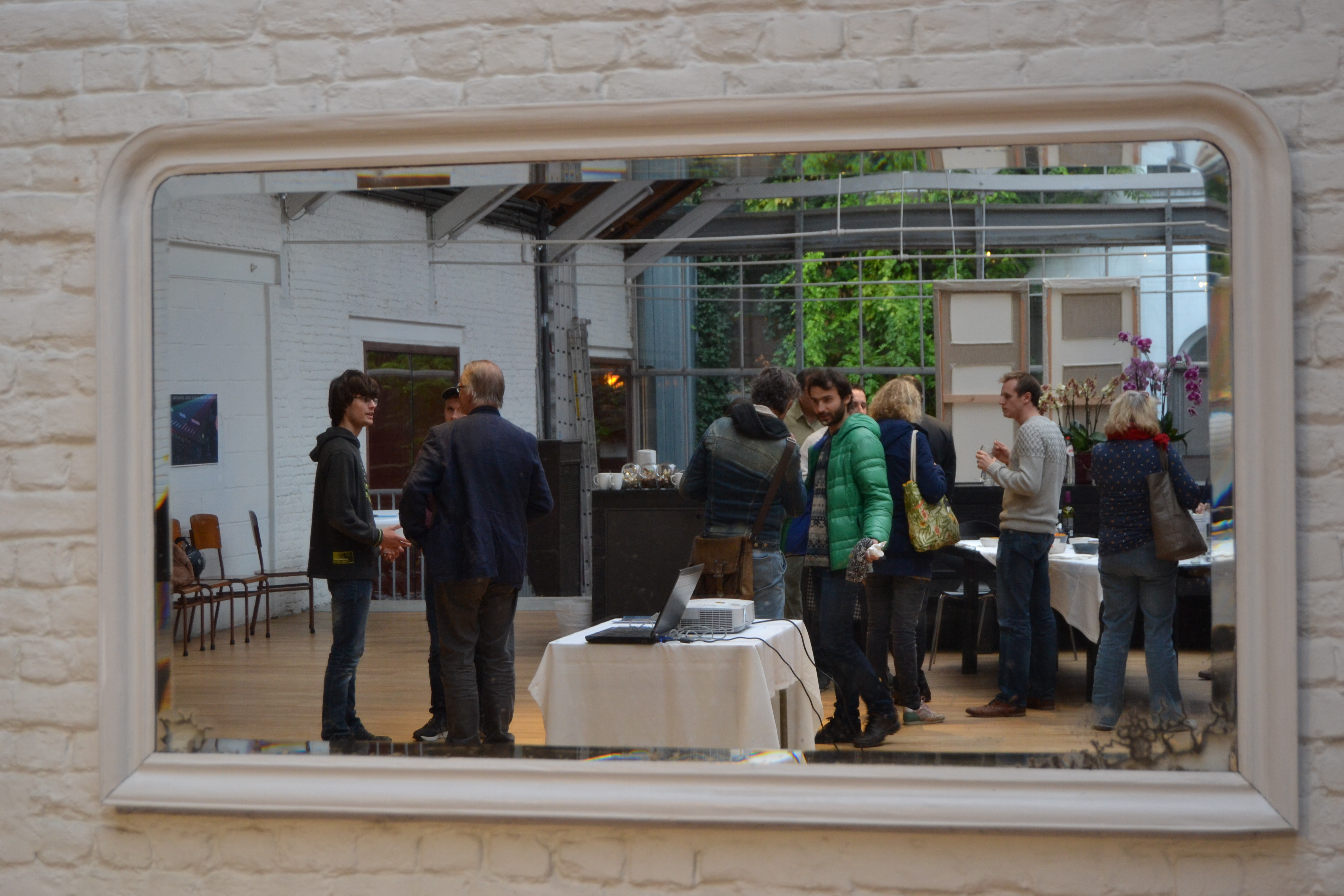
Axcent vzw is a pluralistic association in Brussels (Saint-Gilles) that responds to the religious and convictional richness and complexity of metropolitan society.
Our mission? To contribute to social cohesion in urban areas by promoting and organising dialogue and exchange between people (and communities) of different religions and convictions.
Don't expect theological or philosophical discussions, but rather cooperation and exchange on social themes and existential questions, accessible to everyone. Over the years, Axcent has become a trusted home for young and old who are concerned with meaning, identity and social cohesion. Axcent is recognised and supported by the Flemish Community Commission (VGC).
 What do we do?
Axcent organises activities, projects, visits, discussion groups and trips where individual and collective experiences of meaning can be explored.
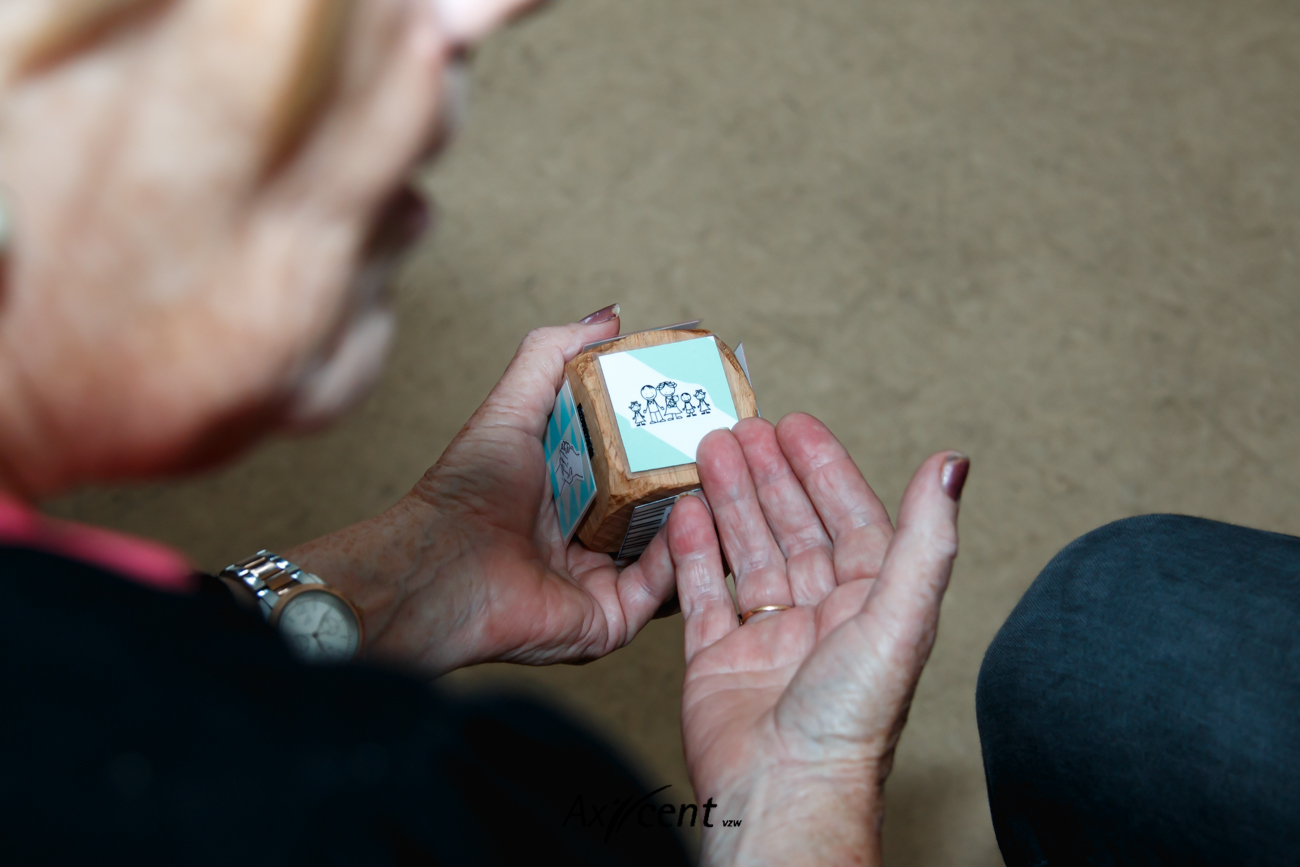
Axcent produces films, discussion documents, city games, workshops and other educational tools to guide users through a complex society where religion and convictions are back (from never being away).
Axcent reflects empirically on the opportunities, possibilities, but also the limits of dialogue between religions and convictions.
Axcent raises awareness among government, civil society and communities about the significance of religion and conviction in society.
With whom?
With believers, atheists, doubters, seekers, cultural services, community centres, youth movements, poverty associations, museums, synagogues, churches, mosques, houses of worship, temples, pagodas, teachers, pupils, students, professors, young people, adults, newcomers, natives, immigrants...
We have specific activities for young people in their free time and in education.
What we do
- DVD “Ik levensbeschouw jou”: young people talk about conviction and dialogue
- Carte Blanche: young people from Brussels with different religions and convictions set off together. Literally, because in Carte Blanche we go out together, to the Ardennes or to the sea. And on a trek in the Spanish Pyrenees. We get to know each other and each other's convictions better and in this way learn to truly live together instead of alongside each other.
- To Believe or Not To Believe: European project on theatre of the oppressed, interconvictional dialogue and (young) migrants (Erasmus+ project, in collaboration with Giolli coop from Italy and Red Incola from Spain)
- Interconvictional Dialogue at School: workshops and various activities for education on themes such as rituals, convictions in the city, engagement, philosophical houses, violence, sexuality, migration...
- Annual ceremony for the street dead: convictional communities say goodbye to those who have died while homeless (in collaboration with the Straatdoden collective)
- Dialogue tables, meals, visits to religious and philosophical meeting places
- ...